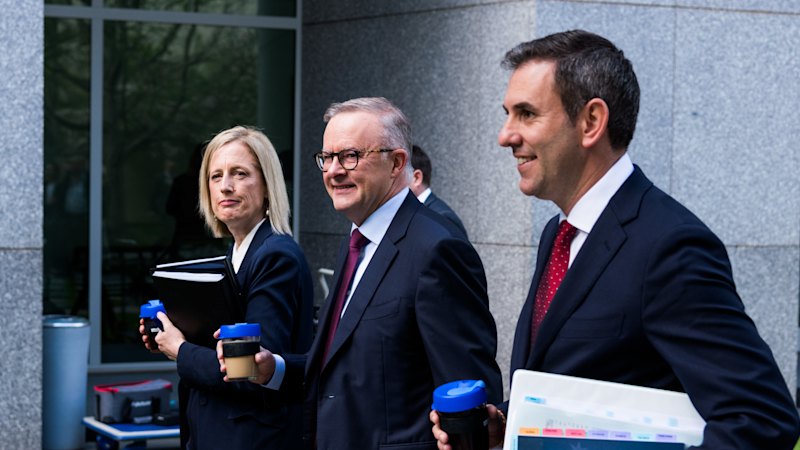
But Deloitte said the government had to go much further if it were to repair the budget, lift productivity across the economy and take pressure off the next generation of taxpayers.
It has costed five tax reforms that would transform the budget. One of the largest would be to lift the current tax-free threshold from $18,200 to $33,000; to introduce a 33 per cent tax rate for incomes of between $33,000 and $330,000 and a 45 per cent rate for incomes above that level, while indexing the thresholds by 2.5 per cent every year.
Deloitte estimates the change would cost $54 billion a year by the middle of next decade.
Other proposals include cutting the corporate tax rate to 20 per cent and offsetting the change with a special tax on so-called super profits, broadening the GST and introducing a 10 per cent tax on inheritances (above a $100,000 threshold and with the family home excluded).
Another option put forward by Deloitte is to reduce to 33 per cent the current 50 per cent discount on the capital gains tax for items owned for at least 12 months.
The Senate is holding an inquiry into possible changes to the CGT concession. Critics say that since its introduction by the Howard government, it has contributed to the nation’s housing crisis.
According to Deloitte, reducing the concession would raise $4 billion a year by the middle of next decade and that it would help prospective homebuyers.

Tax incentives used by property investors should be wound back, according to Deloitte.Credit: Flavio Brancaleone
Deloitte partner Stephen Smith said the budget’s reliance on personal income tax had to change.
“We must be bold and open the debate on the appropriate taxation of capital and wealth,” he said.
“The intergenerational inequities that will result from clinging on to the current tax system are clear.
Loading
“As debt mounts, and the reliance on personal income tax rises, the fiscal burden will disproportionately fall at the feet of younger, working-age Australians.”
Chalmers said the government was already delivering meaningful economic reform through areas such as competition, artificial intelligence and new environmental laws with more to come in next year’s budget.
“There’s more to do and people are still under pressure, which is why we’re rolling out tax cuts, cost of living relief and building a more productive and resilient economy,” he said.
The government is mulling whether to extend its $150 energy subsidies, due to end with the calendar year, which would punch a $2 billion hole in this year’s budget.
Albanese on Sunday said the subsidies were an interim measure that were not meant to be permanent, but he said consideration of their future would be made in the run-up to the mid-year update. Cabinet’s last chance to lock in an extension of the subsidies is this week.
Pressed on calls for major reform, Albanese said the government had focused on delivering the promises made to voters ahead of the May federal election. New reforms, he said, were on the agenda for next year.
“This year is, if you like, a step on the journey, not the destination,” he told ABC’s Insiders program.
“The job of reform is never done. And in the lead-up to the budget in May next year, we’ll give consideration to the full suite of policy measures. The economy, of course, is front and centre. But also social policy.”