The Albanese government has listed radical Islamist organisation Hizb ut-Tahrir as a prohibited hate group, the first use of the new powers since Labor enacted tougher hate crime laws in response to the December 14 Bondi massacre.
The organisation’s listing late on Thursday means it is now a criminal offence to be a member of, recruit for, provide training or funds to, or materially support the organisation.
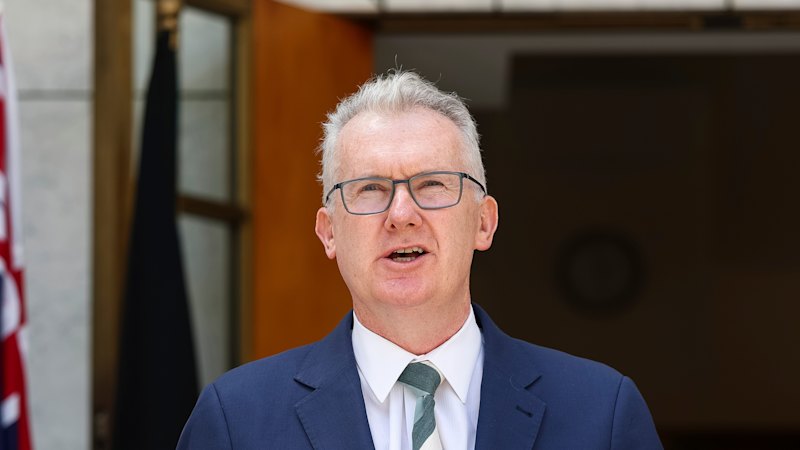
“For a long time, Hizb ut-Tahrir has been able to spread hate and create a pathway for others to engage in violence,” Home Affairs Minister Tony Burke said of the change.
“The Australian Government’s new hate group listing framework has been designed to stop organisations like Hizb ut-Tahrir, from spreading hate and sowing the seeds of division in the community, that risks not only our social cohesion but the safety of Australians.”
The controversial fringe organisation has been regarded warily by many within the Muslim and broader community for its teachings, and was listed as a terrorist organisation in the United Kingdom in January 2024. The group has been banned in Germany, India, Indonesia and a number of other jurisdictions.
The government was empowered to designate prohibited groups following the passage of a raft of reforms in January that were designed to tackle antisemitism after the Bondi attack. These reforms also tightened gun laws in the country.
At the announcement of the new legislation, Labor stated its direct intention to ban Hizb ut-Tahrir and the National Socialist Network. The latter quickly disbanded to escape the consequences of the reform.
Hizb ut-Tahrir was defended by the nation’s peak Muslim body who claimed the organisation’s listing was “part of a wider effort to hold the Muslim community collectively responsible for the Bondi attack”.
More to come.
Cut through the noise of federal politics with news, views and expert analysis. Subscribers can sign up to our weekly Inside Politics newsletter.